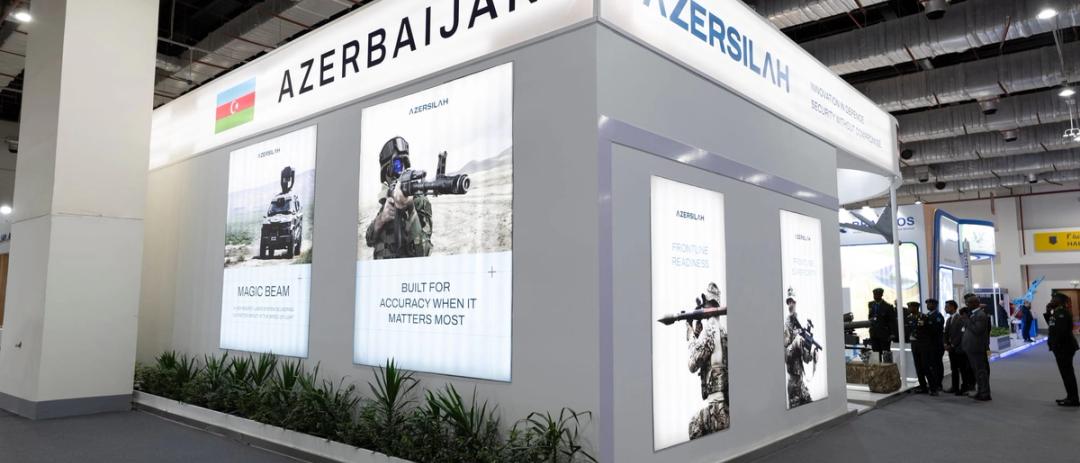
Launching a national pavilion abroad takes three things: a sponsoring body to back it, a structured commercial offer that companies can buy into, and a recruited, qualified delegation to fill it. Plan on six to nine months of lead time, and expect the sponsoring relationship and delegation recruitment to be the longest items.
- A national pavilion needs a sponsor, an offer and a delegation, in that order.
- Six to nine months is a realistic lead time for a first-time pavilion.
- Most programmes stall on sponsor sign-off and delegation quality, not logistics.
- An in-market partner shortens every step by owning the relationships.
National pavilions are the fastest route into a new market for an exhibition, because they bring a whole territory as a group rather than one exhibitor at a time. But the word "pavilion" hides a lot of work. Below is what each of the three ingredients actually involves, and where first-time programmes tend to come unstuck.
1. A sponsoring body
Every credible national pavilion has a body standing behind it: a government trade agency, an industry association, or a chamber of commerce. The sponsor lends the pavilion its authority, and often part of its funding. Without one, a "national" pavilion is really just a cluster of companies from the same country.
Securing the sponsor is usually the longest lead item, because it moves at the pace of an institution, not a sales team. Start here, and start early.
The sponsor is what turns a group of exhibitors into a delegation a market takes seriously.
2. A structured offer
Companies do not buy "a pavilion". They buy a defined package: floor space, a built stand, a place in the delegation, and a set of introductions or meetings. The clearer that offer, the faster it sells.
What a good offer usually includes
- A tiered stand option so companies of different sizes can join
- A clear price, inclusive of build, so there are no surprises
- A programme of buyer meetings or briefings attached to the pavilion
- Shared marketing that raises every participant's visibility
3. A recruited delegation
The final ingredient is the hardest to fake: a qualified group of companies that actually turn up. Recruitment is sales, and it rewards existing relationships in the market. This is where an in-market partner earns their place, because a warm introduction converts far better than a cold campaign.
Quality matters more than volume. A tight delegation of serious companies does more for a market's reputation than a large one padded with names that never travel.
How long does it take?
For a first-time pavilion, plan on six to nine months from decision to show floor. The sponsoring relationship and delegation recruitment run in parallel and set the critical path; stand build and logistics are comparatively quick once the offer is locked.
- Months 1 to 3: secure the sponsor and define the offer
- Months 2 to 6: recruit and qualify the delegation
- Months 5 to 9: build, brief and deliver on the floor
Common questions
Who pays for a national pavilion?
Usually the sponsoring trade body or association funds the core pavilion, sometimes co-funded by the participating companies through their package fee. The exact split depends on the market and the sponsor’s mandate.
Can you run a pavilion without a government sponsor?
You can, but it changes what you are selling. Without an official sponsor it is a company cluster, which is still valuable but carries less institutional weight with buyers and host organisers.
What is the single most common reason pavilions fail?
Starting too late. When the sponsor relationship is rushed, the offer and recruitment both compress, and the delegation arrives thin. Lead time is the cheapest advantage available.
We develop national pavilions end to end, from securing the sponsor to filling the floor.